A Practical Guide to Luxury Mattress Materials: What to Know About Latex, Memory Foam, and Hybrids

Lux Sleep Laboratory peers into the intimate architecture of sleep. This guide dissects the core materials that shape premium mattresses—latex, memory foam, and hybrids—with the same patience you’d give a fine wine or a meticulously engineered suit. We’ll explore how each material is made, how it performs under different bodies and dream-states, and what it means for temperature, durability, and nightly posture. In short: when you unpack the layers, you discover not just a surface but a philosophy of rest.

Latex: Natural Lift with Responsive Character

Latex has a singular reputation in luxury bedding: it is buoyant, durable, and relentlessly breathable. The material can be Dunlop- or Talalay-processed, each imparting a distinct feel. Dunlop latex tends to be denser and more supportive, while Talalay introduces a lighter, more uniform cell structure that yields a softer, more resilient cushion. The result is a surface that responds to weight and movement with a springy, almost buoyant sensation—an experience that can feel remarkably effortless for back and side sleepers alike.

In premium constructions, latex is often combined with wool, cotton, or organic fabrics to optimize temperature regulation and durability. When you encounter a latex-laden core, you’re tracking a timeless balance: comfort without excessive contouring, support without rigidity.

  • Durability: Latex maintains its feel for many years with minimal sag.
  • Temperature regulation: Breathable cell structure promotes airflow and moisture wicking.
  • Allergy considerations: Natural materials can reduce synthetic exposure and hypoallergenic options exist.

Memory Foam: Contouring Comfort with Modern Physics

Memory foam has undergone a quiet evolution since its mid-century origins. The modern variants—often gel-infused or open-cell—offer a distinctive cradle that can align the spine and cushion pressure points with meticulous precision. The material’s denser core resists motion transfer, a property that makes memory foam a favorite for couples where one partner moves frequently. Yet, that same density can translate to a warmer surface if your climate or sleep habits favor heat retention.

Key considerations when evaluating memory foam include density (higher density often means longer-lasting support), temperature sensitivity (some foams sleep cool, others warm), and the firmness profile across the surface. In high-end builds, memory foam may be layered with other materials to temper its contouring with airflow and resilience.

  • Durability: High-density foams resist sagging and maintain contouring.
  • Temperature: Some foams sleep cooler than others; advancements mitigate heat buildup.
  • Motion isolation: Excellent at reducing partner disturbance, especially in dense foams.

Hybrids: The Best of Both Worlds

Hybrid mattresses fuse a coil system with a foam or latex comfort layer, aiming to deliver the responsiveness of springs with the pressure relief of foam. The coil core provides stability, edge support, and efficient airflow, while the comfort layer—the latex or memory foam—shapes the sleeping feel. The best hybrids reconcile these elements to minimize motion transfer while preserving a comfortable contour and buoyancy that many sleepers appreciate for long-term use.

Considerations for hybrids center on coil design (count, gauge, zoning) and the density and thickness of the top layer. A well-made hybrid can serve a broad spectrum of sleepers—stomach, back, side—offering a dynamic feel that adapts as you move through the night.

  • Support + contour: Coils provide structural integrity; foams/latex add pressure relief.
  • Breathability: Springs encourage air movement; top layers influence warmth.
  • Durability: The coil system typically extends the mattress lifespan when paired with quality foams or latex.

Ergonomics and Sleep Posture: How Material Choices Shape Rest

The everyday posture of sleep is rarely studied in isolation from the surface it rests upon. The best materials learn the body’s language: a side sleeper desires more pressure relief at the hips and shoulders, while a back sleeper seeks consistent spinal alignment across the torso. A stomach sleeper benefits from a firmer feel to prevent sagging at the midsection. The right combination of latex, memory foam, and springs can translate physiological insight into nightly comfort.

Here, the science of firmness scales meets tactile memory. A latex core might hold a medium-to-firm profile with a springy response, letting you sink slightly without losing support. Memory foam contours to the body, offering a snug, weight-distributing cradle. Hybrids attempt to thread the needle: a responsive coil system paired with a thoughtfully cushioned top layer to foster alignment while maintaining ease of movement.

  • Posture alignment: Spine should remain in a neutral line from neck through pelvis.
  • Pressure relief: Targeted zones for hips, shoulders, and heels reduce tossing and turning.
  • Movement and wakefulness: Responsiveness of materials affects how you transition between sleep stages.

Durability and Longevity: What Stays the Course

In the luxury segment, durability is not merely about cloth and foam’s resilience; it is a narrative about how a surface ages with you. Latex generally offers longevity that outlasts many foams, resisting permanent compression. Memory foam’s longevity depends on density and usage patterns, while hybrids rely on the strength of the spring system and the fidelity of the comfort materials above it. A well-constructed mattress ages gracefully, maintaining form without betraying its promise of consistent support.

Longevity factors include edge support, layer integrity, and the ability to recover after pressure. A stiff edge with a sagging interior tells a story a bit sooner than a uniformly resilient surface. For those who expect a surface to endure years of sleep cycles, longevity is not a luxury but a necessity of design and material selection.

  • Layer integrity: Durable foams and resilient latex resist permanent indentations.
  • Compression resistance: High-density foams and well-engineered coils resist slow creep.
  • Maintenance: Protectors, breathable covers, and proper rotation extend life.

Temperature Regulation: The Climate of Sleep

Temperature plays a quiet but decisive role in sleep quality. Latex layers, with their porous structure, typically excel at airflow, contributing to a cooler surface. Memory foam, unless engineered with open cells, cooling gels, or phase-change materials, can trap heat. Hybrids are often the best compromise for sleepers who want both contour and air movement, as the coil core facilitates airflow beneath the upper layers.

When evaluating luxury materials, consider climate, seasonal changes, and personal comfort thresholds. In cooler environments, a slightly warmer surface can feel comforting; in tropical climates, the opposite is true. The right combination—truly premium materials tuned to your climate—transforms sleep from a nightly ritual into a restorative ritual.

  • Airflow: Coil cores promote air exchange, top layers influence warmth.
  • Moisture management: Breathable fabrics and natural fibers help wick moisture.
  • Seasonal comfort: Layering and topper strategies can adjust feel across the year.
Material Recommendations: A Practical Framework

In the luxury market, you rarely buy a single material in isolation; you buy a system. A well-balanced mattress pairs a core that delivers structural integrity with a top layer that provides the sensation you prefer, whether it’s buoyant latex, contouring memory foam, or a hybrid that blends spring strength with cushioned comfort. Your ideal combination depends on weight, sleep position, temperature sensitivity, and whether you share a bed with a partner or pet who moves through the night.

Here is a practical framework you can apply as you read product descriptions or reviews, without feeling overwhelmed by jargon:

  • Define your sleep posture: Side sleepers benefit from more pressure relief on shoulders and hips; back sleepers often prioritize even spinal alignment; stomach sleepers may need a firmer surface to prevent sag.
  • Assess temperature preferences: If you run hot, favor breathable latex or hybrids with a ventilated coil core and open-top layers.
  • Consider durability and maintenance: Look for high-density foams or all-latex cores and check care instructions for longevity.

In this guide, several materials and products are referenced as case studies for understanding how luxury sleep can be explained with clarity and care. Notable examples illustrate the theory in tactile terms.

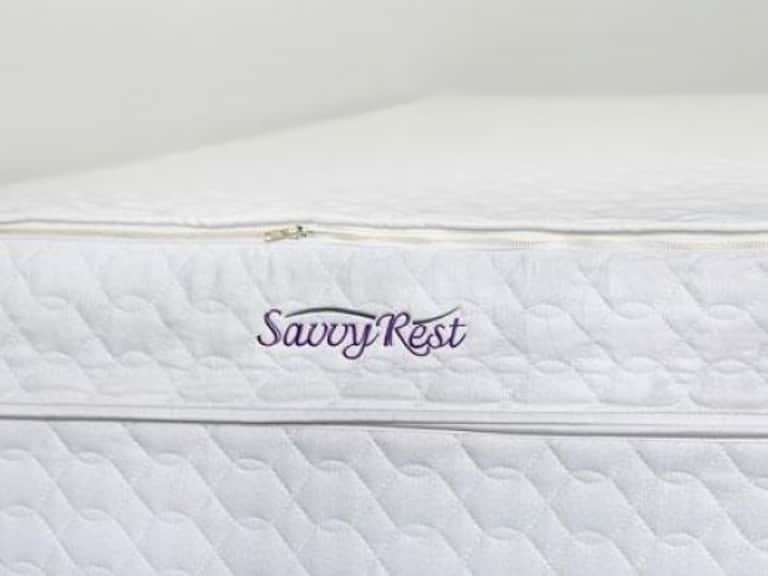
Savvy Rest Tranquility Latex Mattress — 7 inch

A concise demonstration of a two-layer, natural latex construction with organic wool and cotton components. This model exemplifies how customizable latex layers yield a balanced, responsive feel while keeping sustainability in the foreground.

Materials: Latex, Wool, Cotton

Firmness: Customizable per layer

Notes: 20-year warranty; suitable for adjustable bases

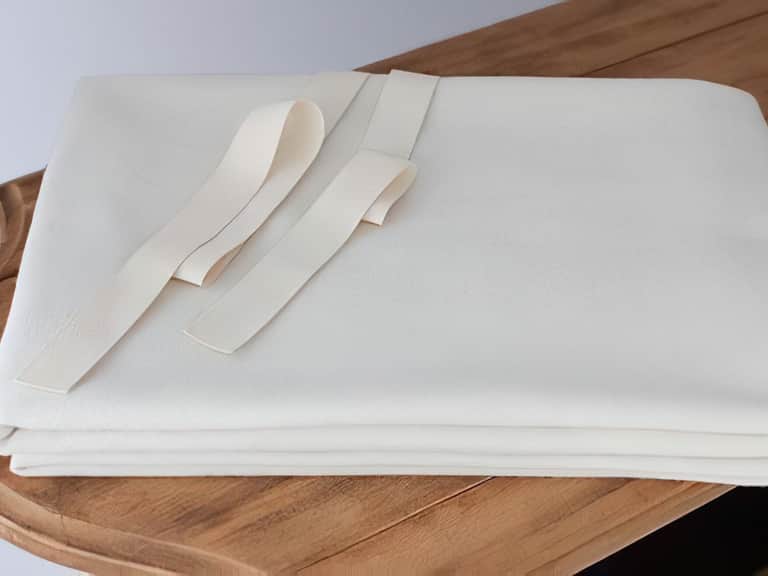
Savvy Rest Wool Mattress Pad

A natural wool layer designed for moisture resistance and temperature regulation. Demonstrates how bedding accessories contribute to overall climate control and comfort.

Materials: Wool, Cotton

Fit: Mattress pads up to 14 inches

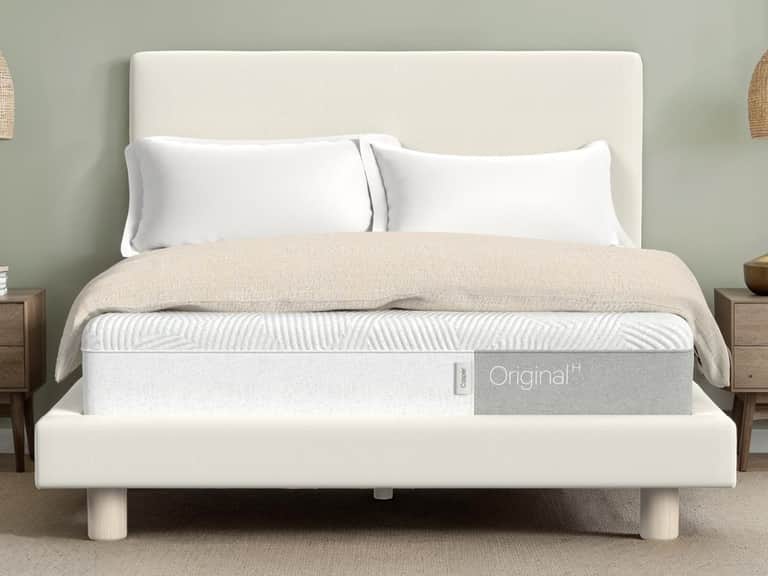
Original Hybrid Mattress (Casper)

A modern hybrid that integrates memory foam with spring support to deliver a balanced feel and targeted Zone supports.

Materials: Foam, Springs

Notes: A widely accessible example of hybrid design ethos

Three Key Figures Across Time Periods

To contextualize the evolution of mattress materials, consider how three distinct voices—from different centuries—would weigh in on luxury sleep. Their perspectives illuminate how ideas about comfort, science, and embodiment shift across eras.

Hypnos, the Greek Titan (ancient world)

In antiquity, sleep was a ritual of divinities and dream-seeking rituals. Hypnos would be imagined as an architect of rest, reminding us that the surface caress—whether straw-filled, woolen, or salt-wolded—was a sacred threshold. The concept of support was implicit in the bed frame and the earthly materials that surrounded it.

Leonardo da Vinci (Renaissance: a study in engineering and form)

A figure who intuited the importance of balance, proportion, and the physics of bodies in repose. If he considered a bed, he might recognize the value of layered materials and the handshake between core support and comfort layers—where accuracy of alignment meets tactile sensation, much as his sketches of the human form sought precise ergonomics.

Virginia Woolf (Modernist era: texture of interior life)

Woolf’s probing eye for interior life invites us to consider sleep as a text of sensory experience. The materials we choose—latex’s buoyancy, memory foam’s cradle, or a hybrid’s quiet resilience—become metaphors for memory, climate, and the architecture of dream.

These portraits remind us that the science of sleep is inseparable from culture, craft, and the body’s intimate relationship with the surface it rests upon. The luxury mattress discussion is not merely about materials; it is a conversation about how we inhabit rest.


Conclusion: A Thoughtful Approach to Luxury Sleep

The world of luxury mattress materials invites a patient, educated approach. Latex, memory foam, and hybrid constructions each carry a philosophy—from the primacy of breathability and natural materials to the discipline of contour and spinal alignment. The informed consumer learns to listen to the body and to the science, weighing durability, temperature, and feel against lifestyle and climate. And while the surface may whisper of luxury, the true value lies in the quiet assurance of a good night’s rest—and the morning that follows with a clarity you might call luminous.

As you navigate product pages, let this guide be your compass: not a retail brochure with glossy promises, but a framework for understanding how the best sleep is built—layer by deliberate layer.

This article draws on principles of material science and sleep ergonomics to illuminate why certain luxury mattress components perform as they do. The product example discussed herein, Savvy Rest Tranquility Latex Mattress (7 inches), is used as a case study to illustrate a layered latex design and its practical implications for comfort, durability, and climate control.

Related Products

Savvy Rest Tranquility Latex Mattress

Savvy Rest · No. SAVVYREST-ORGANIC-DUNLOP-TRANQUILITY-MATTRESS-7INCH

Savvy Rest Tranquility Latex Mattress

Affordable, customizable organic latex mattress for kids and small adults—firm, breathable, with a 20-year warranty, easy setup, and a comfy two-layer design that fits adjustable bases and grows with you.
Savvy Rest Wool Mattress Pad

Savvy Rest · No. SAVVYREST-WOOL-MATTRESS-PAD

Savvy Rest Wool Mattress Pad

Wrap yourself in natural wool comfort: moisture-resistant, temperature regulating, and ultra-soft like a blanket. Removable cotton straps ensure a snug fit, while dust-mmites stay at bay for healthier sleep. Made in the USA from organic wool.
Original Hybrid Mattress

Casper

Original Hybrid Mattress

Experience cooler, smoother sleep with Casper Signature Foam plus zoned support—ergonomic alignment, cushioned comfort, and responsive hybrid feel that adapts to your moves for lasting, targeted relief.

Theme